
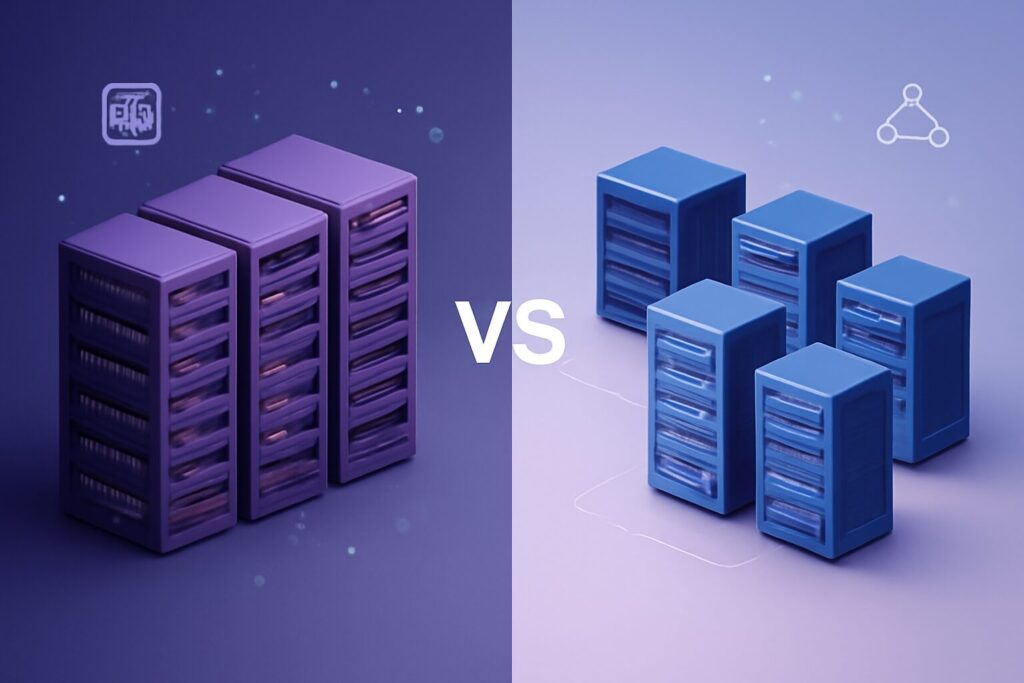
Web Hosting Faceoff 2026: Comparing Shared vs VPS Hosting for Small Businesses
Choosing the right web hosting solution is a critical decision for small businesses aiming to establish a solid online presence in 2026. With the digital landscape evolving rapidly, understanding the nuances between shared hosting and Virtual Private Server (VPS) hosting can make all the difference in performance, security, and scalability.
Introduction to Shared and VPS Hosting
Before diving into the comparison, it’s important to understand what shared and VPS hosting entail.
What is Shared Hosting?
Shared hosting means multiple websites reside on a single physical server, sharing its resources such as CPU, RAM, and disk space. It is the most budget-friendly option, typically managed via user-friendly control panels like cPanel. This setup is ideal for small websites with low to moderate traffic.
What is VPS Hosting?
VPS hosting involves partitioning a single physical server into multiple virtual servers, each isolated with dedicated resources. This isolation provides greater control, customization, and performance compared to shared hosting. VPS is a middle ground between shared hosting and dedicated servers, offering more power without the full cost of a dedicated machine.
Performance Benchmarks in 2026
Performance is often the decisive factor for small businesses. In 2026, advancements in hardware and software optimizations have shifted the hosting landscape.
| Performance Metric | Shared Hosting | VPS Hosting |
|---|---|---|
| CPU & RAM Allocation | Shared dynamically; can be throttled during high usage | Dedicated allocation ensures consistent resources |
| Uptime Reliability | Typically 99.9%; can be impacted by other users | Higher, often 99.95% or better due to resource isolation |
| Load Handling | Limited; may slow down under traffic spikes | Handles traffic surges more efficiently |
| Speed (TTFB & Response) | Moderate; influenced by server load and neighbors | Faster; dedicated resources improve response times |
For small businesses expecting steady growth or moderate traffic spikes, VPS hosting offers a measurable performance advantage, improving user experience and SEO rankings.
Cost Analysis and Value for Money
Budget constraints are common for small businesses. Understanding the cost implications is essential.
| Hosting Type | Typical Monthly Cost Range (2026) | Value Proposition |
|---|---|---|
| Shared Hosting | $2–$15 | Affordable, includes maintenance and support, ideal for startups |
| VPS Hosting | $20–$80 | Higher cost but offers dedicated resources and better scalability |
While shared hosting is the clear budget winner, VPS hosting delivers greater long-term value for businesses needing reliability and resource control. Some providers offer scalable VPS plans that help manage costs effectively as your business grows.
Security Features and Considerations
Security remains paramount for small businesses handling customer data and transactions. Hosting environments differ significantly in their security capabilities.
- Shared Hosting: Basic security measures such as firewalls, malware scanning, and SSL certificates are typically included. However, shared environments pose risks where one compromised site can affect others on the same server.
- VPS Hosting: Offers enhanced security due to isolated environments. You gain root access, enabling custom firewall configurations, advanced intrusion detection, and compliance with stricter standards like PCI DSS for e-commerce.
For small businesses prioritizing security, VPS hosting provides a safer environment. However, it may require more technical knowledge or managed services to maintain.
Scalability and Future-Proofing
Planning for growth is essential. Here’s how both hosting types stack up:
| Aspect | Shared Hosting | VPS Hosting |
|---|---|---|
| Resource Upgrade | Limited; usually requires migrating to higher-tier shared plans or VPS | Flexible; RAM, CPU, and storage can often be scaled without downtime |
| Customization | Minimal; limited control over server environment | Full root access allows custom software and configurations |
| Traffic Growth Handling | May require migration to VPS or dedicated hosting | Designed to accommodate growth seamlessly |
VPS hosting is the better choice for businesses anticipating rapid growth or needing specific server configurations. Shared hosting is more suitable for static or low-traffic sites.
Practical Steps to Choose Your Hosting Type in 2026
- Assess Your Website Needs: Evaluate expected traffic, resource demands, and technical requirements.
- Budget Consideration: Balance initial costs with long-term benefits.
- Security Requirements: Identify if your business handles sensitive data needing enhanced security.
- Scalability Plans: Consider your growth trajectory and hosting flexibility.
- Technical Expertise: Determine if you have the skills to manage VPS or prefer managed services.
For detailed insights on hosting management and website optimization, explore our Web Hosting category and website performance tips.
TL;DR – Shared vs VPS Hosting for Small Businesses in 2026
- Shared Hosting: Cost-effective, easy to use, suitable for small or startup websites with low traffic and minimal customization needs.
- VPS Hosting: Offers superior performance, security, and scalability. Ideal for growing businesses requiring custom environments and reliable uptime.
- Decision Factors: Consider traffic, budget, security needs, and future growth when selecting your hosting.
FAQ
1. Can I upgrade from shared hosting to VPS hosting easily?
Yes, most hosting providers offer migration paths from shared to VPS hosting. It usually involves moving your site files and databases, which can be done with provider support or using migration tools.
2. Do I need technical skills to manage VPS hosting?
VPS hosting often requires more technical knowledge, especially if unmanaged. However, many providers offer managed VPS plans where experts handle server maintenance and security.
3. Is VPS hosting more secure than shared hosting?
Generally, yes. VPS hosting provides isolated environments with dedicated resources, reducing risks from other users. You can also implement advanced security measures with VPS.
4. How does hosting affect website SEO?
Hosting impacts website speed and uptime, both critical SEO factors. VPS hosting typically offers better speed and reliability, positively influencing SEO rankings.
5. Are there any hidden costs with VPS hosting?
Costs can include higher setup fees, management, backups, and software licenses. It’s important to review the full pricing details with your provider.
Buyer’s Guide: Making the Right Hosting Choice in 2026
When selecting between shared and VPS hosting, small businesses should weigh the following criteria:
- Performance Needs: If your site demands consistent speed and uptime, VPS is preferable.
- Budget Constraints: Shared hosting suits businesses prioritizing cost savings over performance.
- Security Requirements: Choose VPS for enhanced security, especially if handling sensitive data.
- Scalability: VPS allows easier resource upgrades as your business expands.
- Technical Support: Assess whether you have in-house expertise or require managed hosting services.
Ultimately, the best hosting option aligns with your business goals, technical capabilities, and anticipated growth. For further guidance, visit our comprehensive hosting guides and keep abreast of the latest web hosting trends to make informed decisions.
For authoritative technical insights on HTTP/1.1 protocols relevant to hosting environments, see the IETF RFC 2616. To understand the fundamental differences and security aspects, consult WhoisXML API’s VPS vs Shared Hosting Guide.
